
Florida Medical and Imaging Services

Each X-Ray costs $60.

You can pay without insurance in cash, by check, or money order. 

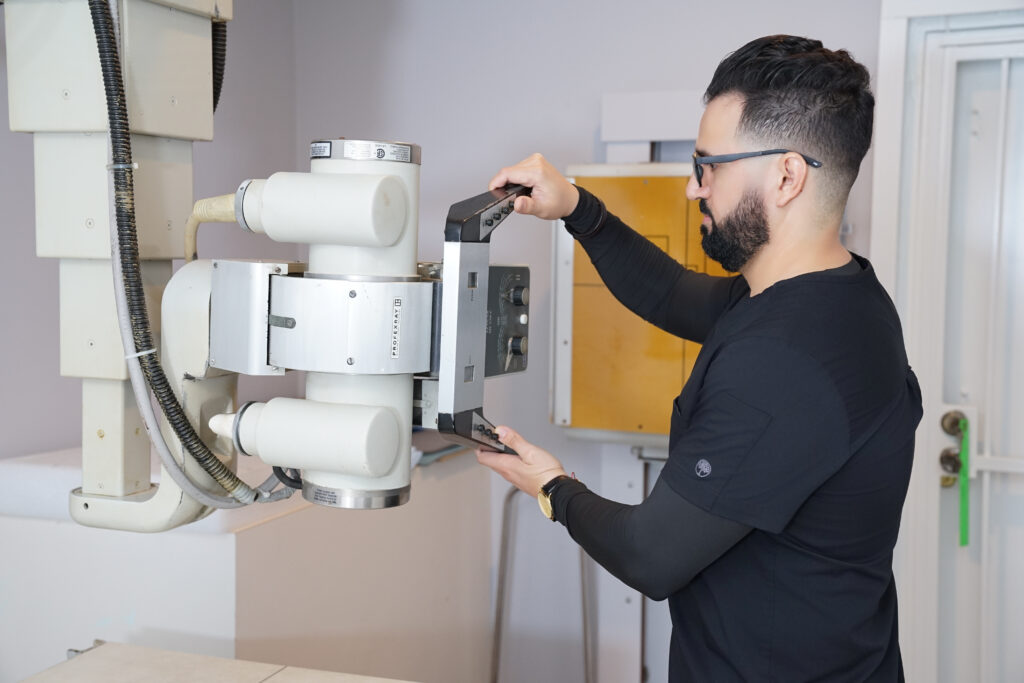
The images are captured and processed digitally within minutes. However, a qualified radiologist must analyze the scans to write an official report. This report is typically sent to your ordering physician within a week. However, reporting times may vary.

Most diagnostic X-rays require no advance preparation (like fasting). You should wear loose, comfortable clothing without metal zippers, snaps, or buttons. You will be asked to remove jewelry, eyeglasses, and any metallic objects near the area being imaged, as metal blocks X-rays and obscures the image.

The X-ray process itself is entirely painless; you cannot feel the radiation. The only potential discomfort comes from holding a specific position or lying on a hard examination table, which can be difficult if you are already experiencing pain from an injury.

X-rays use a very low dose of radiation. For context, a standard chest X-ray exposes you to about the same amount of radiation you naturally absorb from the environment over a few days. Diagnostic benefits heavily outweigh the minimal ris

You must inform the technician if you are or might be pregnant. While the risk to a fetus from a standard diagnostic X-ray (like an arm or chest scan) is extremely low, technicians will take extra precautions, such as using a lead shield over your abdomen, or doctors may recommend alternative imaging like an ultrasound.

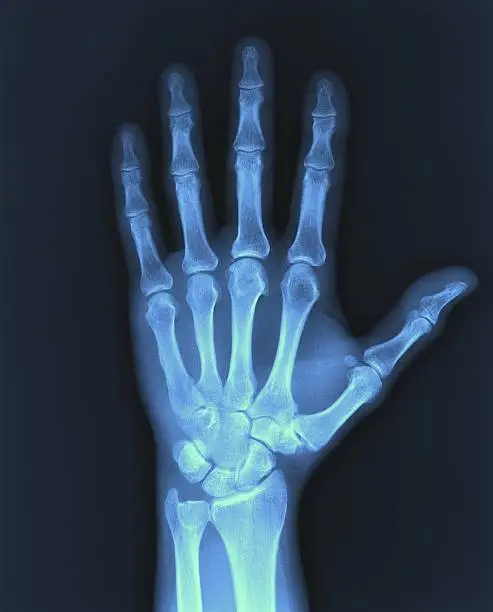
Hand X‑rays are one of those small medical steps that make a surprisingly big difference. They give doctors a clear, detailed look at the bones, joints, and soft tissues that your hands rely on every day—helping diagnose problems early, guide treatment, and prevent long‑term damage.

Why hand X‑rays matter

Markers On Xray at Irene Rayburn blog
 
Hand Xray
 
Hand Bones - Names & Structure with Labeled Diagrams
 
Hand Bones Names | Finger Bones Diagram – HYWUY
 
  • Early detection — Even tiny fractures or joint changes can be hard to spot from the outside. X‑rays reveal issues before they become painful or complicated.

  • Accurate diagnosis — Conditions like arthritis, carpal injuries, or bone deformities show up clearly on imaging, helping doctors choose the right treatment instead of guessing.

  • Tracking healing — Follow‑up X‑rays show whether bones are healing correctly, letting doctors adjust splints, casts, or therapy plans.

  • Preventing long‑term damage — Catching problems early means avoiding chronic pain, reduced mobility, or permanent joint changes later on.

The bottom line

Hand X‑rays are quick, painless, and incredibly informative. They give doctors the clarity they need to protect one of the most complex and essential parts of your body—your hands.